
The Impact of Stainless Steel Sheet Surface Treatment Technology on Product Lifespan
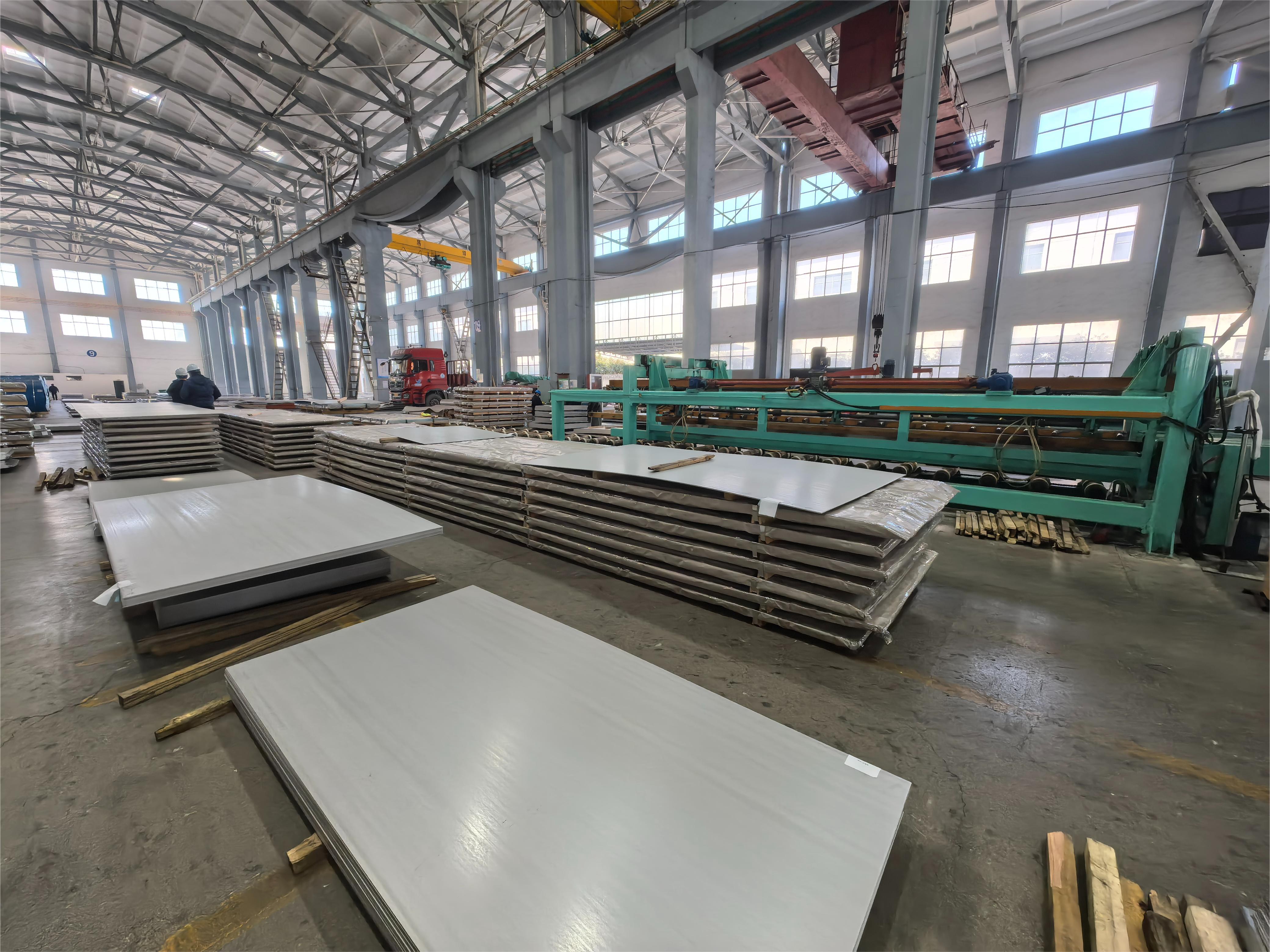
In modern industrial applications, the durability of a stainless steel sheet is not solely determined by its grade or thickness; rather, it is profoundly influenced by the surface treatment technology applied to it. Advanced stainless steel sheet surface treatment plays a pivotal role in extending stainless steel sheet lifespan by enhancing corrosion resistance, mechanical strength, and hygienic performance. Below is a detailed analysis of how these technologies contribute to long-term reliability.
1. Corrosion Resistance through Passivation
One of the most critical stainless steel sheet technologies is passivation. This chemical treatment removes free iron particles from the surface, allowing a uniform chromium oxide layer to form. By eliminating microscopic contaminants, passivation significantly reduces the risk of pitting and crevice corrosion, thereby directly extending stainless steel sheet lifespan in marine and chemical environments.
2. Micro-Smooth Surfaces via Electro-Polishing
Electro-polishing is an advanced stainless steel sheet surface treatment that removes a microscopic layer of material to create a smooth, non-stick surface. This technology reduces friction and eliminates surface irregularities where bacteria and corrosive agents can accumulate. As a result, it enhances cleanability and prevents stress corrosion cracking, ensuring that the stainless steel sheet maintains its integrity over decades of use.
3. Protective Coatings for Extreme Environments
For applications involving high temperatures or abrasive conditions, specialized coatings serve as a vital stainless steel sheet technology. These coatings act as a sacrificial barrier, shielding the base metal from direct exposure to chemicals, salt spray, and mechanical wear. When combined with proper surface preparation, this treatment dramatically prolongs the functional lifespan of the stainless steel sheet in sectors like construction and heavy manufacturing.
4. Enhanced Mechanical Durability
Beyond corrosion control, stainless steel sheet surface treatment also impacts mechanical longevity. Processes like shot blasting or grinding can introduce beneficial compressive stress on the surface layer. This mitigates the initiation of micro-cracks caused by cyclic loading or thermal expansion, ensuring that the stainless steel sheet retains its structural strength throughout its service life.
Conclusion
In conclusion, the relationship between surface treatment and product longevity is undeniable. By selecting the appropriate stainless steel sheet surface treatment—whether passivation, electro-polishing, or protective coatings—industries can maximize stainless steel sheet lifespan, reduce maintenance costs, and ensure operational safety. As stainless steel sheet technology continues to evolve, investing in high-quality surface finishing remains the most effective strategy for achieving long-term, sustainable performance.
Related Posts
- ▶ 304 Stainless Steel Pipe: Corrosion Resistance and Certification Standards in Food Industry
- ▶ Stainless Steel Coil 8K Mirror Polishing: Equipment Parameters and Common Issues Solutions
- ▶ Properties and Applications of Steel
- ▶ Production method of steel
- ▶ The policy impact on China's steel industry
- ▶ Global Sales Network
Send Us A Message

