
304 Stainless Steel Pipe: Corrosion Resistance and Certification Standards in Food Industry
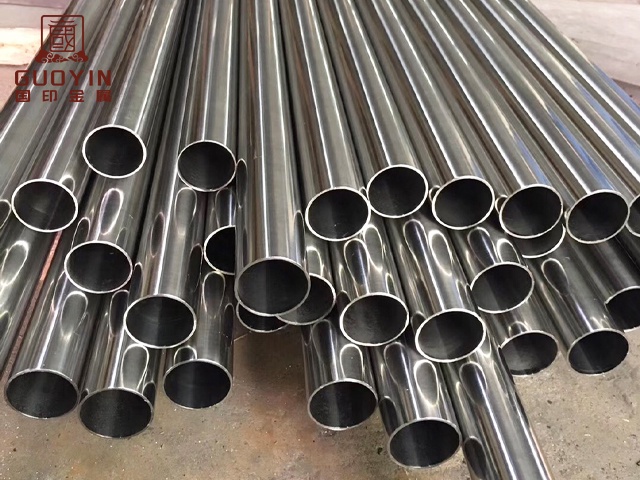
Superior Corrosion Resistance
304 stainless steel pipe excels in resisting corrosion, a critical attribute in food environments. Its chromium content forms a protective oxide layer, preventing rust and withstanding exposure to acids, alkalis, and salts commonly found in food processing. This durability ensures longevity and reliability, making it ideal for diverse applications, from pipelines to storage tanks.
Essential Certification Standards
To qualify as food-grade, stainless steel pipe must meet international and national certifications. Key standards include:
ASTM A270: Focuses on seamless and welded tubing for food processing.
GB4806.9-2016: China's national standard ensuring safety by limiting harmful element migration.
FDA Approval: Confirms compliance with US food safety regulations.
These certifications guarantee that stainless steel pipe used in food production is safe, durable, and meets global hygiene requirements.
Conclusion
304 stainless steel pipe is a cornerstone of food industry safety, offering unmatched corrosion resistance and adherence to rigorous certification standards. By meeting these benchmarks, it ensures the highest levels of food safety and operational efficiency, making it the preferred choice for professionals worldwide.
Related Posts
- ▶ 304 Stainless Steel Pipe: Corrosion Resistance and Certification Standards in Food Industry
- ▶ Stainless Steel Coil 8K Mirror Polishing: Equipment Parameters and Common Issues Solutions
- ▶ Properties and Applications of Steel
- ▶ Production method of steel
- ▶ The policy impact on China's steel industry
- ▶ Global Sales Network
Send Us A Message

