
Balancing High Strength and Cost-Efficiency: Hot Rolled Coil (HRC) in Modern Construction
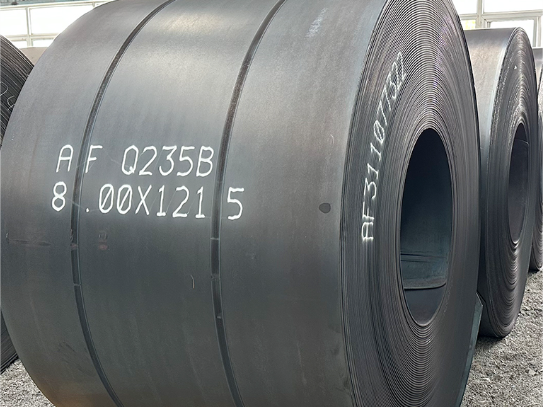
In the evolving landscape of global infrastructure, Hot Rolled Coil (HRC) for structural use has emerged as a cornerstone material. Achieving the perfect equilibrium between high-performance physical properties and economic viability is the primary goal for modern engineering projects.
1. Superior Performance of High-Strength Hot Rolled Steel
Modern construction increasingly demands high-strength hot rolled steel (such as Q355 or S355 grades). These materials offer a superior strength-to-weight ratio compared to traditional carbon steel. By utilizing higher grades, structural engineers can reduce the thickness of sections without compromising load-bearing capacity, leading to a significant reduction in the overall dead load of the building.
2. Excellent Hot Rolled Steel Processing Properties
Beyond raw strength, hot rolled steel processing properties play a vital role in cost control. HRC exhibits excellent weldability and formability, which are essential for manufacturing cold-formed sections, H-beams, and complex joints. This ease of processing minimizes labor hours and reduces material waste during the prefabrication phase in assembly-style construction.
3. Economic Dynamics and HRC Export Prices
A key factor in the "cost-benefit" equation is the volatility of hot rolled coil export prices. Global supply chain shifts, raw material costs (iron ore), and trade policies directly impact procurement budgets. Smart developers balance their costs by leveraging the durability of high-strength steel to reduce total steel consumption by 10-15%, effectively offsetting higher per-ton unit prices.
4. Versatile Construction Applications
From high-rise skeletons to large-span industrial warehouses, HRC construction applications are diverse. Its ability to be easily transported and processed on-site makes it the preferred substrate for various structural components, ensuring project timelines remain tight and predictable.
Conclusion
The strategic integration of high-strength HRC offers a dual advantage: it enhances structural integrity while optimizing long-term financial outcomes. By focusing on superior processing performance and monitoring market price trends, the construction industry can achieve a sustainable balance between "quality" and "cost."
Related Posts
- ▶ 304 Stainless Steel Pipe: Corrosion Resistance and Certification Standards in Food Industry
- ▶ Stainless Steel Coil 8K Mirror Polishing: Equipment Parameters and Common Issues Solutions
- ▶ Properties and Applications of Steel
- ▶ Production method of steel
- ▶ The policy impact on China's steel industry
- ▶ Global Sales Network
Send Us A Message

