
Passivated vs. Unpassivated Galvanized Steel Coils: Performance Analysis
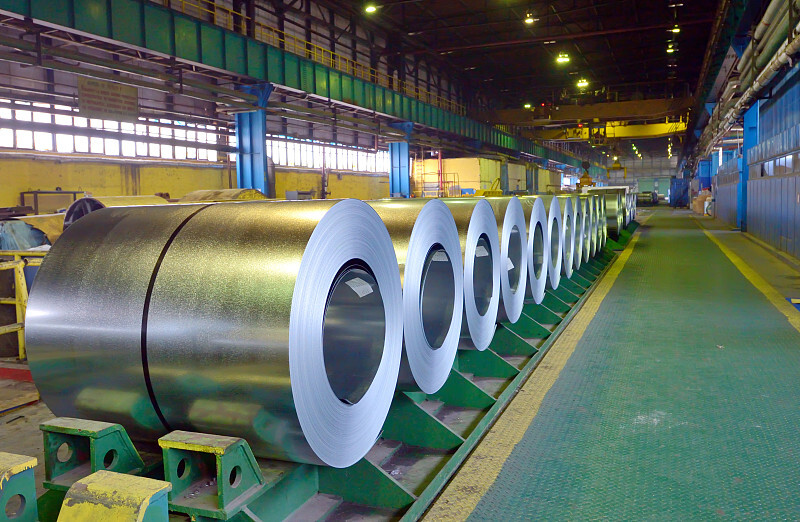
In the realm of galvanized steel coil processing, the surface treatment post-galvanization determines the material's durability and application range. Understanding the performance differences between passivated and unpassivated coils is essential for precision manufacturing.
Passivated Galvanized Steel Coils
Passivation is a critical step in the galvanized steel coil process. By applying a chemical conversion coating (typically chromate or chrome-free), a protective film is formed on the zinc surface.
· Corrosion Resistance: This layer effectively prevents "white rust" caused by oxidation during storage and transit.
· Durability: Passivation is the standard for high-zinc coating coils used in harsh outdoor environments or structural projects.
· Stability: It maintains the coil's metallic appearance, reducing the impact of fingerprints and humidity.
Unpassivated Galvanized Steel Coils
Commonly known as "oiled" or "dry" coils, the unpassivated galvanized steel coil features a reactive surface tailored for further processing.
· Optimal Adhesion: These coils are the primary choice for home appliance galvanized coils, where superior paint or powder coating adhesion is mandatory.
· Welding Efficiency: The absence of a passivation film allows for more stable spot welding and electrical conductivity.
· Customization: It provides a clean surface for manufacturers who apply their own specialized chemical treatments.
Comparison of Key Performance Factors
The choice between the two depends on the final environment. Passivated coils offer "out-of-the-box" protection against the elements, whereas unpassivated coils are designed as a base material for complex industrial finishing.
Regardless of the choice, selecting the correct high-zinc layer and treatment ensures the longevity of the final product in sectors ranging from construction to high-end appliances.
Related Posts
- ▶ 304 Stainless Steel Pipe: Corrosion Resistance and Certification Standards in Food Industry
- ▶ Stainless Steel Coil 8K Mirror Polishing: Equipment Parameters and Common Issues Solutions
- ▶ Properties and Applications of Steel
- ▶ Production method of steel
- ▶ The policy impact on China's steel industry
- ▶ Global Sales Network
Send Us A Message

