
Color Fading Factors of Color Coated Steel Coils: The Role of UV Coatings and Substrate Thickness
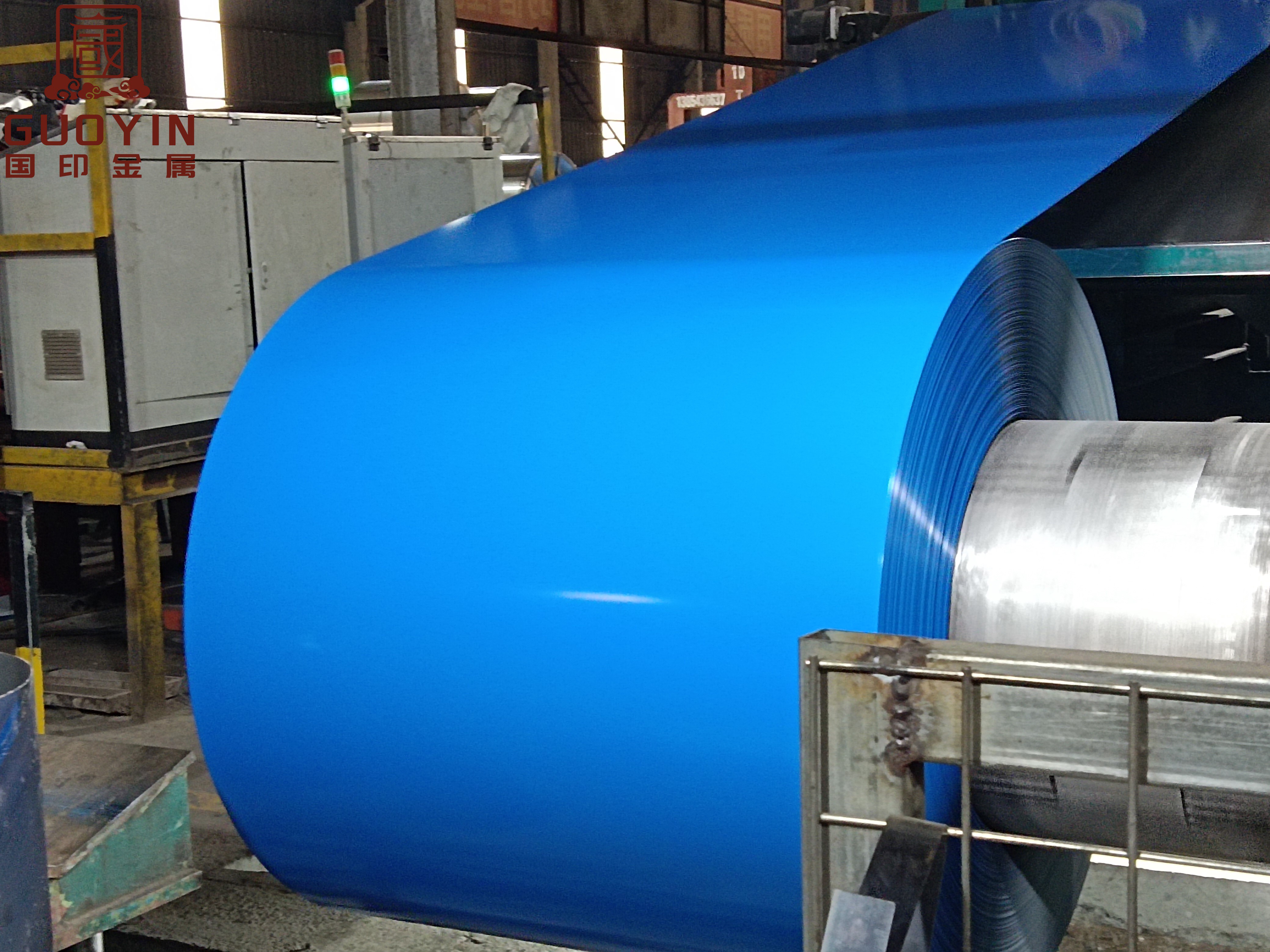
Color coated steel coils (PPGI/PPGL) are essential in modern architecture, prized for their aesthetic appeal and durability. However, color fading remains a significant challenge for builders and manufacturers. While environmental factors like humidity and salt spray play a role, research highlights that UV coating quality and substrate thickness are the two most critical technical determinants of a panel’s lifespan.
The Shield: High-Performance UV Coatings
Ultra-violet (UV) radiation is the primary catalyst for chemical degradation in prepainted steel. Standard polyester (PE) coatings may suffice for mild climates, but high-UV environments require advanced solutions:
· PVDF Coatings: Polyvinylidene Fluoride offers the highest resistance to UV rays, maintaining color integrity for over 20 years.
· HDP (High Durability Polyester): A cost-effective middle ground that provides superior weather resistance compared to standard PE.
· Pigment Stability: High-quality inorganic pigments are less likely to break down under intense sunlight than organic alternatives.
Key Takeaway: The chemical bond strength of the topcoat directly determines how long the "vibrancy" of the building lasts.
The Foundation: Substrate Thickness and Heat Dissipation
Often overlooked, the thickness of the steel substrate significantly impacts color retention. This is primarily due to thermal management:
· Thermal Mass: Thicker substrates act as a heat sink, absorbing and dissipating heat more efficiently.
· Surface Temperature: Thinner panels heat up rapidly under the sun. High surface temperatures accelerate the oxidation of the paint layer, leading to premature "chalking" and fading.
· Structural Integrity: Thicker coils provide better mechanical support for the coating layers, reducing micro-cracking caused by thermal expansion and contraction.
Conclusion: Maximizing Service Life
To ensure the longevity of architectural color plates, a balanced specification is required. Selecting a high-build UV-resistant coating (such as PVDF) paired with an appropriate substrate thickness (typically 0.5mm or greater for roofing) ensures that the structure remains visually striking and structurally sound for decades.
By prioritizing these two factors, developers can significantly reduce maintenance costs and prevent the premature aging of their architectural investments.
Related Posts
- ▶ 304 Stainless Steel Pipe: Corrosion Resistance and Certification Standards in Food Industry
- ▶ Stainless Steel Coil 8K Mirror Polishing: Equipment Parameters and Common Issues Solutions
- ▶ Properties and Applications of Steel
- ▶ Production method of steel
- ▶ The policy impact on China's steel industry
- ▶ Global Sales Network
Send Us A Message

