
Adaptability Study of Stainless Steel vs Carbon Steel Seamless Pipes in Chemical Equipment
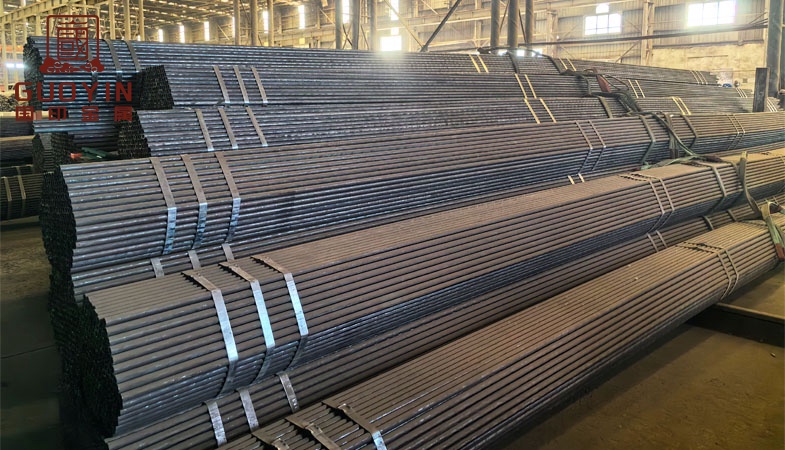
1. Corrosion Resistance: Core Performance Gap
Stainless steel seamless pipes (304/316 grades) contain ≥12% chromium, forming a dense passive oxide film that resists nitric acid (≤65% concentration), alkaline solutions, and most organic acids. Grade 316, with added molybdenum, excels in chloride-rich environments like offshore chemical platforms, offering 5-10 times longer service life than carbon steel in corrosive conditions.
Carbon steel pipes rely on coatings for corrosion protection. While cost-effective for neutral fluids (e.g., water, steam), they corrode rapidly in acidic/alkaline environments, requiring frequent maintenance. For example, in crude oil refining, uncoated carbon steel pipes need replacement every 2-3 years, compared to 15+ years for 316 stainless steel.
2. Mechanical Properties & Temperature Adaptability
Stainless steel maintains tensile strength ≥520 MPa and yield strength ≥205 MPa across -40°C to 1200°C, making it ideal for high-pressure reactors and heat exchangers. Its low-temperature toughness (316 grade remains ductile at -40°C) suits cryogenic chemical processes.
Carbon steel offers high tensile strength (≥480 MPa) but loses 50% strength above 450°C. It performs well in low-pressure, ambient-temperature applications like cooling water systems, where its 50-70% lower initial cost provides economic advantages.
3. Application Scenarios & Economic Trade-offs
• Stainless Steel: Mandatory for handling corrosive media (e.g., sulfuric acid, pharmaceutical intermediates), high-temperature reactors, and hygienic food/pharmaceutical production.
• Carbon Steel: Preferred for non-corrosive fluid transport, structural supports, and low-cost projects with short lifespans.
Lifecycle cost analysis shows stainless steel saves 30-40% in long-term maintenance despite higher upfront costs, while carbon steel remains optimal for temporary or low-corrosion installations.
Related Posts
- ▶ 304 Stainless Steel Pipe: Corrosion Resistance and Certification Standards in Food Industry
- ▶ Stainless Steel Coil 8K Mirror Polishing: Equipment Parameters and Common Issues Solutions
- ▶ Properties and Applications of Steel
- ▶ Production method of steel
- ▶ The policy impact on China's steel industry
- ▶ Global Sales Network
Send Us A Message

