
Food-Grade Stainless Steel Tubes in Pharmaceutical Applications: Hygiene Standards and Certification Requirements
Introduction
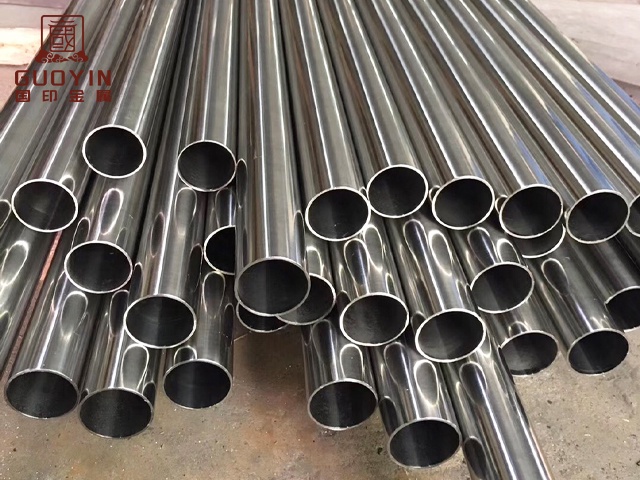
Food-grade stainless steel tubes are indispensable in pharmaceutical manufacturing, ensuring the safe and hygienic conveyance of liquids, gases, and powders. Their application in this sector demands rigorous adherence to international hygiene standards and certification protocols to prevent contamination and uphold product integrity.
Hygiene Standards for Pharmaceutical Use
●Surface Roughness: The inner surface roughness (Ra) must not exceed 0.8 μm to minimize bacterial adhesion and facilitate cleaning.
●Material Purity: 316L or 304 stainless steel is preferred for its low carbon content and superior corrosion resistance, especially under high-temperature sterilization conditions.
●Design and Fabrication: Tubes must be free from crevices, with seamless construction and polished welds to ensure no residue accumulation.
Certification Requirements
●DIN 11850: A German standard specifying dimensions, surface finish, and material properties for hygienic stainless steel tubes.
●A-270: An American standard by the 3A Sanitary Standards Association, focusing on surface roughness (Ra ≤ 0.5 μm) and material biocompatibility.
●ISO 2037: An international standard for food-grade stainless steel tubes, covering design, testing, and certification.
●FDA Approval: Essential for tubes used in drug manufacturing, ensuring compliance with U.S. food and drug regulations.
Conclusion
Food-grade stainless steel tubes are a cornerstone of pharmaceutical manufacturing, meeting stringent hygiene and certification standards. Compliance with DIN, A-270, ISO, and FDA requirements ensures these tubes contribute to safe, efficient, and contaminant-free production processes.
Related Posts
- ▶ 304 Stainless Steel Pipe: Corrosion Resistance and Certification Standards in Food Industry
- ▶ Stainless Steel Coil 8K Mirror Polishing: Equipment Parameters and Common Issues Solutions
- ▶ Properties and Applications of Steel
- ▶ Production method of steel
- ▶ The policy impact on China's steel industry
- ▶ Global Sales Network
Send Us A Message

