
Comprehensive Guide to Galvanized Steel Sheets: Spangle-Free vs Spangled Galvanized Steel Introduction
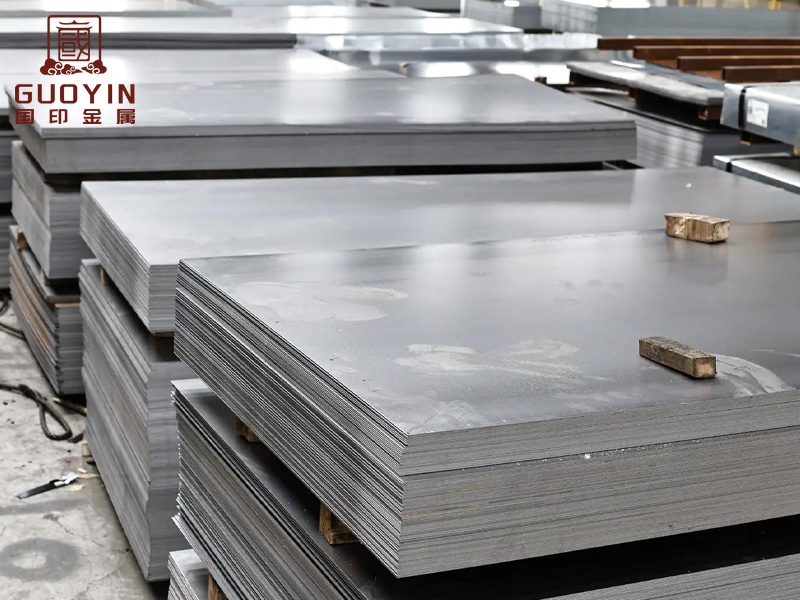
Galvanized steel sheets are essential construction materials, with hot-dip galvanized steel being the most common type. This article compares spangle-free and spangled galvanized steel sheets, focusing on their specifications, applications, and pricing.
Key Differences Between Spangle-Free and Spangled Galvanized Steel Sheets
Surface Characteristics
Spangle-free galvanized steel sheets have a smooth, uniform surface without visible zinc crystal patterns, while spangled sheets exhibit distinctive hexagonal zinc flower patterns.
Production Process
Both types use hot-dip galvanization, but spangle-free sheets undergo controlled cooling to prevent zinc crystal formation, whereas spangled sheets allow natural crystal growth.
Price Comparison
Spangle-free sheets typically cost 10-15% more than spangled sheets due to additional processing requirements.
Rust Prevention Mechanism
Both types protect steel through zinc's sacrificial anode effect. Zinc oxidizes first, protecting the steel substrate. The zinc layer thickness (measured in g/m²) determines corrosion resistance.
Application Differences
Spangle-free sheets are preferred for architectural applications requiring paint adhesion, while spangled sheets are often used in exposed structural elements.
Construction Applications
Spangle-free sheets are ideal for building facades and roofing due to their smooth surface and paint compatibility. Spangled sheets are commonly used in industrial buildings and warehouses.
Conclusion
Understanding these differences helps select the appropriate galvanized steel sheet for construction projects. Spangle-free sheets offer better paint adhesion for architectural applications, while spangled sheets provide cost-effective protection for structural elements. Both types deliver excellent corrosion protection through the proven hot-dip galvanization process.
Related Posts
- ▶ 304 Stainless Steel Pipe: Corrosion Resistance and Certification Standards in Food Industry
- ▶ Stainless Steel Coil 8K Mirror Polishing: Equipment Parameters and Common Issues Solutions
- ▶ Properties and Applications of Steel
- ▶ Production method of steel
- ▶ The policy impact on China's steel industry
- ▶ Global Sales Network
Send Us A Message

